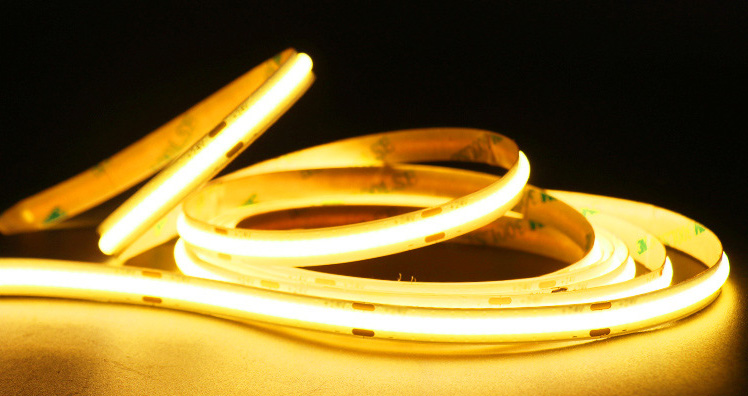
Waterproof LED Strip Lights

How To Make Your LED Strips Waterproofing?

Some customers ask us the question: How do we make the LED Strips waterproofing? It’s a good question because there are high-quantity demands for the Waterproof LED Strip Lights. You need waterproofing when you want to add LED Strips in your bathrooms, gardens, yards, and other places. Let’s teach you how to make them waterproof.

Items you need:

The steps of making your LED Strips waterproof:

  1. First, choose the appropriate width of the Silicone Channel and cut the same length with your LED Strips.
  2. Waterproof Outdoor LED Strips
  3. There is a rope in the silicone channel; you can tie it to the wires on one side of the Strip Lights and insert it into the silicone channel.
  4. waterproof led strip lights
  5. outdoor led strip lights
  6. Pull the other side of the rope out of the silicone tube and fully let the LED Strips into the tube.
  7. led strip lights outdoor waterproof
  8. Install the silicone end caps with wire holes and without wire holes on both ends of the Silicone Channels, and seal them with silicone glue.
  9. bathroom led strip
  10. led strip outdoor waterproof
  11. Installation finish.

Now you know how to make your LED Strips waterproof. You can add them to your home or outdoor location where you need waterproof resistance.

The Correct Way To Hang LED Strips On Walls

LED strips are a popular way to add ambient lighting to any room. Whether you want to create a relaxing atmosphere or enhance the aesthetics of your space, hanging LED strips on walls can be a great solution. But how to hang LED Strip Lights without damaging the wall? Today, let’s teach you to do it correctly.

Firstly, make sure you have all the necessary tools and materials. You will need LED light strips, a power supply, adhesive tape or clips, a ruler or measuring tape, and scissors.

Before you start hanging the LED strips, it’s important to plan where you want them to go. Consider the layout of your room and the areas you want to highlight. You can place them along the edges of the ceiling, around mirrors or artwork, or even behind furniture for a subtle glow.

Once you have decided on the placement, measure the wall length where you want to hang the LED strips. This will help you determine how much strip lighting you will need. Cut the LED strips to the appropriate length using scissors, following the marked cutting lines on the strips.

Next, clean the wall surface where you will attach the LED strips. This will ensure that the adhesive tape or clips stick properly. Use a mild cleaner and a cloth to remove any dust or dirt.

Now it’s time to attach the LED strips to the wall. If you use adhesive tape, peel off the backing and stick the strips along the desired path. Make sure to press firmly to ensure a secure bond. If you use clips, attach them to the wall first and then slide the LED strips into place.

Once the LED strips are installed, connect them to the power supply. Follow the manufacturer’s instructions for wiring and connecting the strips. Make sure to test the lights before finishing the installation.

You can use cable management solutions such as cord covers or raceways to hide any visible wires. These will help keep the wires neat and out of sight.

Lastly, step back and admire your newly installed LED strips. Please turn on the lights and enjoy the ambiance they create. Remember to periodically check the strips for any signs of damage or wear and tear.

Hanging LED strips on walls can transform the look and feel of any room. You can achieve a beautiful and seamless installation with the right tools and patience. So go ahead and get creative with your lighting design!