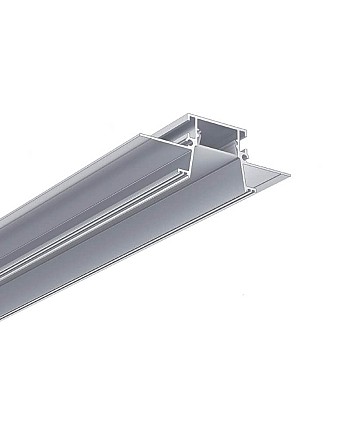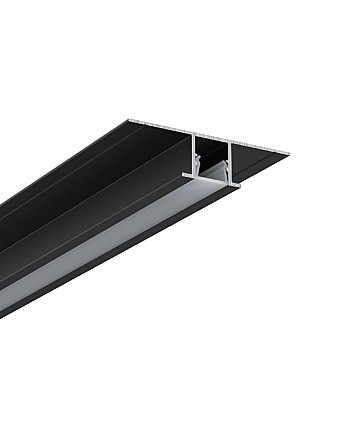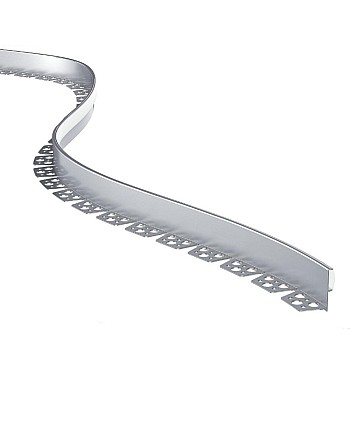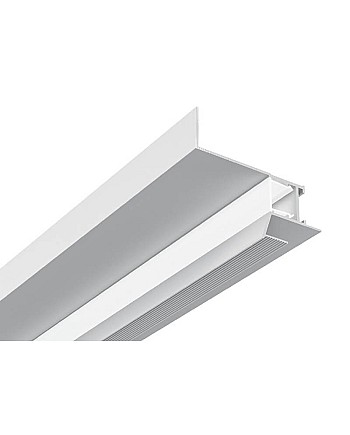
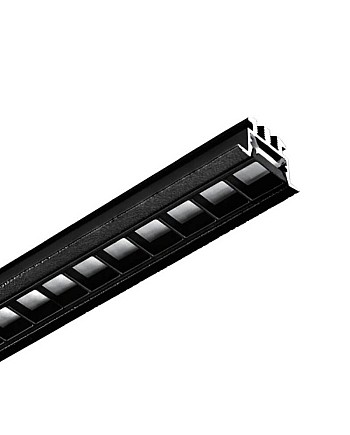
What Are Recessed LED Channels?
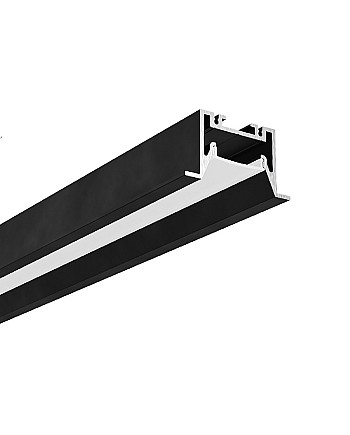
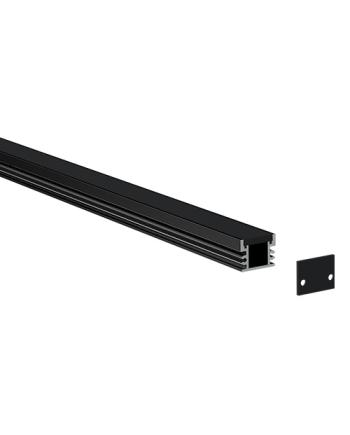
Recessed LED channels are aluminum profiles engineered for flush-mounted installation within surfaces such as ceilings, walls, floors, and cabinetry. Their primary function is to house LED strip lights, creating a clean, trimless appearance that integrates the light source directly into the architectural structure. This method provides a more refined and built-in look compared to surface-mounted fixtures.
Key Features and Benefits
1. Seamless Architectural Integration
When installed flush with the surface, these channels create an unobtrusive, minimalist design. The light source blends into the surrounding material, resulting in a clean aesthetic without visible hardware.
2. Uniform Light Diffusion
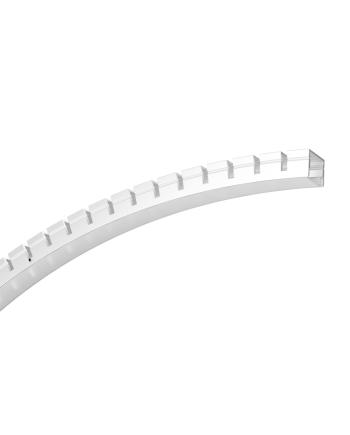
When used with a diffuser cover (available in materials such as polycarbonate or PMMA, with clear, frosted, or opal finishes), the channel assembly scatters the light from the individual LED diodes. This process reduces point-source glare (hotspots) and produces a more uniform, linear distribution of light.
3. Protection and Thermal Management
The aluminum profile serves two practical purposes:
1)Physical Protection: It shields the LED strip from dust, moisture, and physical contact, increasing its durability.
2)Thermal Management: Aluminum is an effective heat conductor. The light channel acts as a heatsink, dissipating heat away from the LEDs. Proper thermal management is critical for maintaining stable light output and achieving the LED strip's rated lifespan.
4. Versatile Design Application
Recessed channels provide a flexible tool for lighting design. They enable the creation of continuous lines of light in various lengths and orientations, allowing architects and designers to implement custom lighting solutions for both ambient and task-oriented purposes.
Common Applications and Uses
These profiles are suitable for a wide range of interior applications that require integrated lighting.
Typical Installation Surfaces:
- Drywall and gypsum board
- Millwork, including cabinets, shelves, and furniture
- Wood and composite panels
- Flooring materials (when using walk-over rated profiles)
- Stair treads and risers
- Retail and commercial display units
Resulting Lighting Effects:
- Linear ambient lighting
- Task lighting (e.g., under-cabinet)
- Architectural accent lighting
- Cove and perimeter lighting
- Pathway and step illumination
Frequently Asked Questions
Q1. How do we choose the right channels?
A1: The most important measurement is the inner width of the channels. Measure the width of your strip lights and choose channels with an internal width slightly larger. This ensures the LED strips fit comfortably inside. For example, if the LED strips are 10mm wide, you need to select a channel with an inner width of at least 10.5mm.
Q2. What is the difference between opal, frosted, and clear diffusers?
The diffusers offer a different balance between light diffusion and brightness.
Opal: Provides the best diffusion, eliminating hotspots to create a smooth, continuous line of light. It has the lowest light transmission (typically 60-75%) but offers the most professional, dotless look.
Frosted: A good compromise. It partially diffuses the light to reduce glare and soften hotspots, while maintaining higher light transmission (around 80-90%) than opal.
Clear: Offers maximum light transmission (over 95%) but provides almost no diffusion. It is primarily used to protect the LED strips from dust and damage while keep maximum brightness.
For most recessed applications where the light source is visible, we recommend the opal diffusers for the cleanest finish.
Q3. How do I achieve a completely "dotless" linear light effect?
Achieving a perfectly smooth, dotless appearance depends on these factors working together:
1. Channel depth: Choose a deeper channel. The greater the distance between the LED strip and the diffused cover, the more evenly the light will spread.
2. Diffuser Type: Always use an opal ( diffused ) diffuser. Its superior light-scattering properties are essential for hiding the individual LED diodes.
3. LED Strip Density: Choose LED strips with a high density of LEDs per meter( e.g., 120LEDs/m or more, or COB strips ).
Q4. What is a " trimess " or " plaster-in " channel, and how is it different from a standard recessed one?
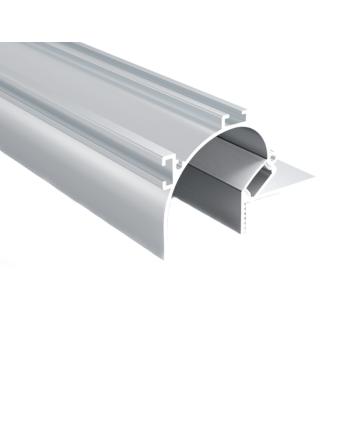
A trimless or plaster-in channel is a special type of recessed profile designed to be installed completely flush with drywall or plaster surfaces. It has perforated edges ( wings ) that are covered with plaster and painted over, making the aluminum frame completely invisible. The result is a clean opening where the light appears to emerge directly from the wall or ceiling. A standard recessed channel has a visible lip or " trim " that sits on top of the surface, framing the light opening.
Q5. Can we install recessed channels in an existing wall, or are they only for new construction?
Yes. You can install them in an existing wall or a new one. In new walls, channels can be installed easily before the final layer of drywall or plaster is applied. For existing walls, it's also possible, but requires more work. You need to cut a precise groove into the surface, install the channel, and then patch, plaster, and paint the surrounding area to blend it in.
Q6. Can they be strong enough to be installed in floors?
Only those aluminum channels are specifically for floor lighting. They have thicker and more robust diffusers to withstand foot traffic and pressure. Please check the product details to ensure they are suitable for floor installation before placing an order.