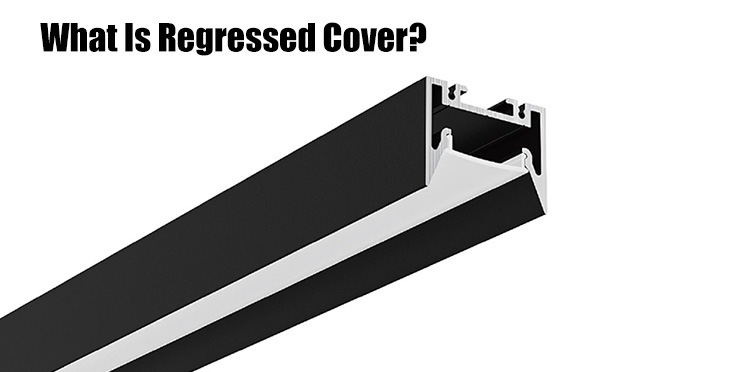
What is regressed cover

What is Regressed Cover?And What Is Useful For Lighting?

In the interior lighting design, the small change or improvement can make a huge difference in aesthetics and functionality. Today we will share with you the newest LED light channels with regressed cover design for the designers seeking clean, glare-free illumination with a premium finish. But what exactly is regressed cover, and what is useful in lighting design? Let’s check its benefits, and applications.

What does Regressed Cover Mean?

The regressed cover is a design name that allows the diffusers or lenses to be set back slightly from the edge of the LED channels. Do not like the full-mounted or dropped covers, regressed cover design creates a deliberate shadow gap-a subtle recess that hides the LED strips while enhancing visual depth.

Why Regressed Cover Useful In Lighting?

  1. Enhance Architectural Detail

The regressed cover design creates shadow gaps, which help define edges and layers in modern interiors. It can be used widely in:

  1. Cove lighting ( indirect ceiling illumination)
  2. Wall- washing ( evenly lit vertical surfaces)
  1. Reduce Glare & Improves Comfort

By recessing the diffusers, harsh LED spots are concealed, making the light softer and more comfortable. They are suit for offices, retail displays, museums, galleries, etc.

  1. Creats A High-end, Minimalist Look

Lighting designers favor regressed cover LED channels for luxury spaces because they:

  1. Hide hardware and LED strips for a seamless appearance.
  2. Work with plaster-in or suspended profiles for invisible installations.
  3. Pair well with dimmable LEDs for adjustable brightness.

The applications of the aluminum LED channels with regressed cover design

  1. Residential Lighting
    • Kitchen under-cabinet lighting
    • Floating ceiling designs
  2. Commercial & Hospitality
    • Hotel lobby accent lighting
    • Retail shelf spotlighting
    • Restaurant mood lighting
  3. Architectural Features
    • Shadow gap detailing

Where you can get them?

In our online store, we offer seven types of LED light channels with regressed cover designs to meet your needs. You can use them as pendant lighting or recessed on ceilings or walls. They not only hide the LED source but also create glare-free illumination for a cozy ambiance. It’s time to upgrade your home’s lighting. Let’s do it.

What Are Aluminum LED Channels? Why Should You Need Them?

Aluminum LED Channels

What Are LED Channels?

In general, the LED Channels always work with Flexible LED Strips or LED Modules, because the LED Strips with high heat release when working, but the base is only the thin aluminum PCB board, bad for heat dissipation and will shorten the lifespan. so that’s one of the reasons why we need to add something to help it release the heat. another reason why we need LED Channels, we could use various materials to produce the diffusers, with various rates of transmittance for different applications. the LED Channels with various lengths, widths and shapes, you can cut freely and reconnect for your project. that’s the main reason we add LED Channels, but Why Aluminum?

Alu LED Channels

Why Aluminum LED Channels?

Check all factors besides thermal resistance, the best metal for conducting heat, from highest to lowest are silver, copper, gold and aluminum. copper and aluminum are the most commonly used materials for heat sinkers, but copper is more expensive than aluminum, is heavier and melts at a higher temperature, so that’s why aluminum is the most used material for LED Channels.

LED Light Channels

When We Need The LED Channels?

We recommend conservative 3-square inches of LED Channel surface area per watt, if you try to run LEDs at or over 350mA, the 350mA is generally around 1W.

LED Strip Channels

Where we can use them?

there are many places you can use the LED Profiles in hotels, home, restaurants, etc. you can install under kitchens, shelves, on the floor, stairs, desks, etc. you can recess, fix on the surface or dry wall. if you want to use the LED Profiles for outdoor applications, recommend using the Silicone LED Profiles.

How To Create The Linear LED Light On The Drywall?

As we know, it’s hard to mount the Aluminum Profiles on the drywall structure, you can not drill a hole or use double-sided adhesive tape. so how to create the Linear LED Light on, today let’s check it out.

LED Tape Light Channels

the materials below you need:

  1. LED Tape Light Channels
  2. End Caps With Wire Holes/Without Holes
  3. Screws
  4. LED Drivers
  5. LED Tapes

LED Channels For Dry Wall

This Trimless Profiles for recessing into plastered walls and ceilings for an incredible seamless diffused light output, simply screw the profile into 10mm drywall and plaster over then add the diffuser, extruded aluminum paster in profile allows you to create a stunning trimless fix, that makes it simple to flush mount for the ultimate modern look and feel. suitable for the gypsum and plasterboard for indoor occasions.

How To Install the Drywall LED Channels?

  1. Insert the end caps on the LED Channels, then mount the Aluminum Channels on the ceiling.
  2. Apply a layer of plaster to the profile and ceiling, and then paint the surface to finish.
  3. Mount the LED Strips, recommend the COB LED Tapes, NO visible light dots and dark area, insert the cover, lead out the power cable.
  4.  Run the cable to the Power Supply, connect the power.

How To Install LED Channels On Drywall

How does It look?

LED Strip Light Channels