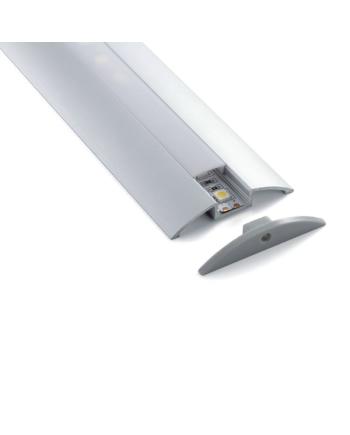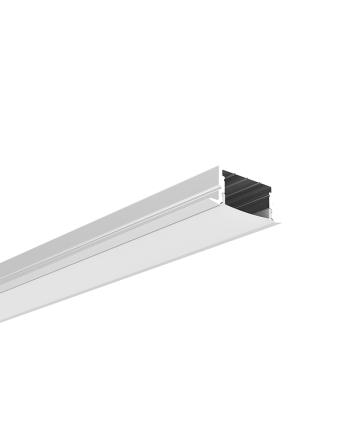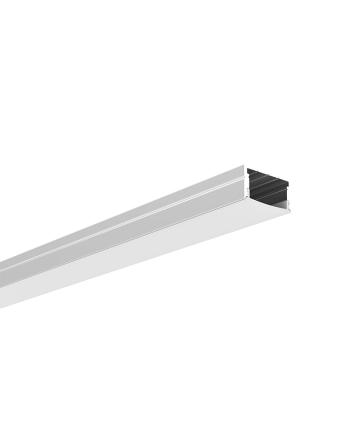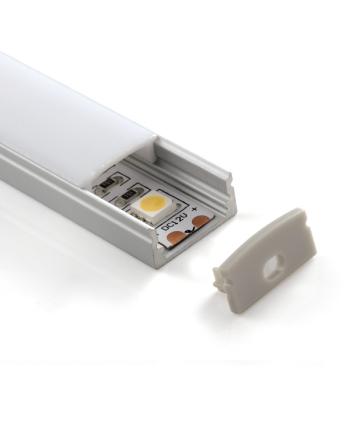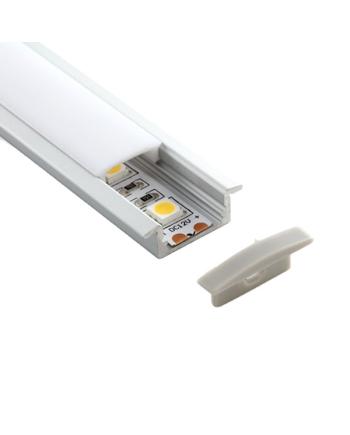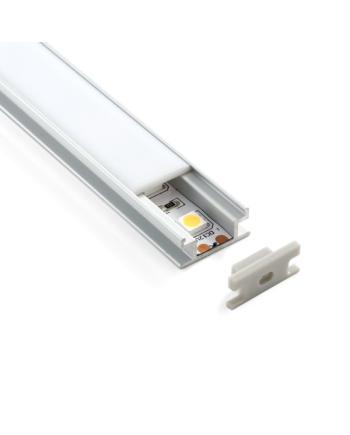
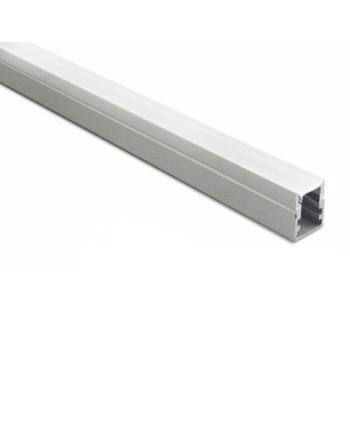
What are slim LED Profiles?
These slim LED channels are compact aluminum housings made to hold and protect narrow LED strips, especially when you’re working in tight spaces. Because they’re so thin and low-profile, they blend easily into modern interiors without drawing attention. You can use them under cabinets, inside furniture, along shelves, or tucked into architectural details where bigger channels would look bulky.
With the diffused cover, the light becomes softer and more comfortable to look at, reducing glare and giving you a clean, even glow. For the best results—especially if you want to avoid seeing individual LED dots—it’s a good idea to pair these channels with high-density LED strips (usually 2-5mm wide). Together, they create a sleek, minimal lighting effect that designers love for clean lines and subtle, built-in illumination.
Key Advantages of Slim LED Strip Channels
These slim LED channels offer both practical and visual benefits. The aluminum body helps pull heat away from COB LED strips, keeping them cooler and lasting longer. It also helps the lights stay consistent over time, rather than dimming or changing color. The diffused cover softens the light, reduces glare, and protects the LEDs from dust and bumps, making the whole setup look cleaner and hold up better.
One of their most significant advantages is the thin, low-profile design. You can install them in tight spots where bulkier channels won’t fit, opening up many creative options. They also hide individual LED dots, giving you a smooth, continuous line of light that looks more polished and high-end. And because they’re lightweight, easy to mount, and compatible with different LED strip sizes, they work well for both DIY projects and professional lighting installations.
How to choose the most appropriate slim light channels
Selecting the most suitable slim aluminum LED profile depends on your installation needs and design goals. Begin by considering the width of the strip lights you want to use; ensure the internal width of the channels can accommodate your lights, especially if using high-density COB. Next, choose the type of diffusers based on the lighting effect you need: a frosted cover provides softer, more diffused light, while a clear diffuser maximizes brightness.
You should also evaluate the mounting environment. Surface-mounted LED profiles are ideal for cabinets or furniture, while recessed ones are better for embedded architectural details. Finally, assess the build quality and accessories, such as end caps, mounting clips, and connectors, which ensure a clean, stable, and professional installation. By matching the channel's features with your lighting project's requirements, you can achieve both optimal performance and a sleek, modern look.